

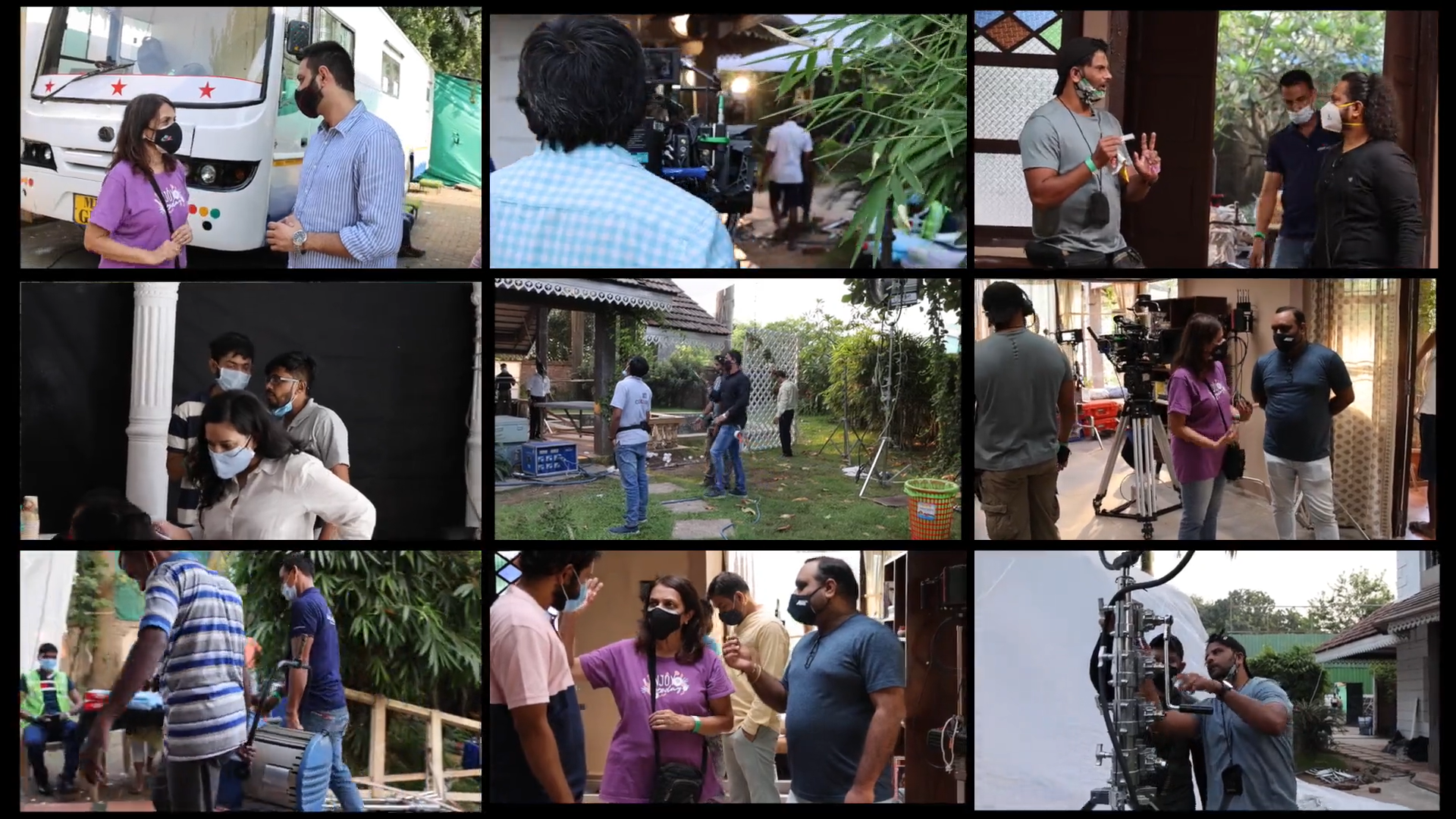
Behind every successful advertisement is a carefully planned production process. While audiences often see only the final film, countless hours of preparation happen before the cameras even start rolling.
Planning an ad film shoot involves much more than selecting a location or hiring a crew. It requires strategic thinking, creative collaboration, detailed scheduling, budgeting, and seamless coordination between agencies, brands, directors, and production teams.
Whether you’re launching a new product, building brand awareness, or creating a digital campaign, proper planning lays the foundation for a smooth shoot and an impactful final film.
In this guide, we’ll walk you through the essential steps involved in planning an ad film shoot.
Why Planning Is Essential Before Every Shoot
A successful shoot doesn’t happen by chance.
In fact, thorough planning helps:
- Reduce production delays
- Avoid unexpected costs
- Improve creative execution
- Streamline communication
- Maximise shooting time
- Deliver better results
Consequently, investing time in pre-production often saves significant time and money during production.
Step 1: Define the Campaign Objective
Every production begins with a clear purpose.
Ask yourself:
- What message are you communicating?
- Who is the target audience?
- Which platform is the film being created for?
- What action should viewers take?
Whether the goal is brand awareness, product promotion, or customer engagement, defining clear objectives guides every creative decision.
Step 2: Understand the Brand
Before developing concepts, the production team needs to understand the brand thoroughly.
This includes:
- Brand identity
- Target audience
- Communication style
- Competitors
- Campaign goals
- Brand guidelines
As a result, every creative element remains aligned with the brand’s personality.
Step 3: Develop the Creative Concept
Once the objectives are defined, the creative team develops the core idea.
A strong concept should:
- Capture attention quickly
- Communicate the message clearly
- Connect emotionally
- Be practical to execute
- Suit the available budget
Remember, the simplest ideas often create the biggest impact.
Step 4: Write the Script
The script serves as the blueprint for the entire production.
It should clearly define:
- Dialogue
- Visual actions
- Camera direction
- Voice-over
- Scene transitions
Moreover, every scene should contribute to the campaign objective without unnecessary complexity.
Step 5: Create a Storyboard
Storyboards transform written ideas into visual sequences.
They help everyone involved understand:
- Camera angles
- Shot composition
- Character movements
- Scene flow
- Visual references
Consequently, the production team shares a common vision before filming begins.
Step 6: Prepare the Budget
Budget planning is one of the most critical stages.
A production budget typically includes:
- Cast
- Crew
- Equipment
- Locations
- Art direction
- Costumes
- Makeup
- Travel
- Catering
- Post-production
- Contingency expenses
Proper budgeting ensures creative ambitions remain realistic and achievable.
Step 7: Cast the Right Talent
Casting influences how audiences connect with the film.
Choose talent that reflects:
- Brand personality
- Target audience
- Campaign tone
- Authenticity
The right performance often brings a script to life.
Step 8: Finalise Locations
Locations significantly impact both storytelling and production efficiency.
When selecting locations, consider:
- Visual appeal
- Accessibility
- Permissions
- Lighting conditions
- Noise levels
- Space for crew and equipment
Whenever possible, conduct a location recce before shoot day.
Step 9: Plan the Production Schedule
A detailed schedule keeps everyone aligned.
Include:
- Call times
- Shot order
- Talent timings
- Equipment setup
- Meal breaks
- Travel
- Backup plans
A well-organised schedule helps maximise productivity and minimise overtime.
Step 10: Assemble the Right Crew
An experienced crew ensures smooth execution.
Typical departments include:
- Director
- Producer
- Assistant Directors
- Director of Photography
- Camera Team
- Lighting Crew
- Sound Team
- Art Department
- Makeup & Hair
- Costume
- Production Assistants
Each department contributes to the success of the final film.
Step 11: Shoot Day Execution
After weeks of planning, production finally begins.
During the shoot:
- Follow the schedule
- Maintain communication
- Monitor quality continuously
- Solve challenges quickly
- Stay flexible when required
Despite careful planning, adaptability remains essential.
Step 12: Post-Production
Once filming wraps, the story is shaped during editing.
This stage includes:
Editing
Selecting the strongest shots and refining the narrative.
Colour Grading
Enhancing the visual mood and consistency.
Sound Design
Creating a polished audio experience.
Music
Choosing tracks that enhance emotional impact.
Motion Graphics & VFX
Adding titles, graphics, and visual enhancements where needed.
Finally, client feedback is incorporated before the final delivery.
Benefits of Proper Ad Film Planning
A well-planned production helps:
- Save time
- Optimise budgets
- Improve collaboration
- Reduce last-minute stress
- Deliver higher production quality
- Meet campaign deadlines
Ultimately, planning allows creative teams to focus on storytelling instead of solving preventable problems.
A successful ad film begins long before the first scene is filmed.
From defining campaign objectives and developing creative concepts to budgeting, casting, scheduling, and post-production, every stage contributes to the outcome.
When brands, agencies, and production teams invest in proper planning, they create smoother productions, stronger creative work, and more impactful advertising films.
Because great advertising isn’t built on improvisation, it’s built on preparation.
Planning your next advertising campaign?
At Colage Communication, we manage every stage of ad film production from concept development and scripting to production, post-production, and AI-powered filmmaking.
Whether you’re creating a television commercial, digital campaign, or brand film, our team ensures every shoot is carefully planned and flawlessly executed.
Let’s bring your next campaign to life.